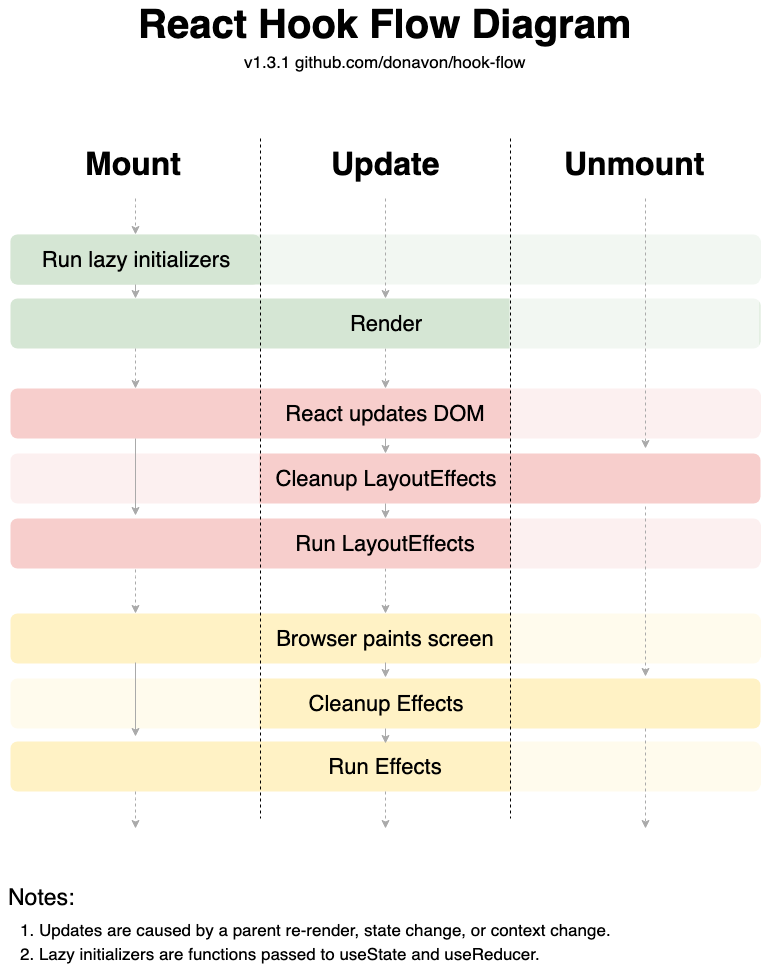
One difference about useLayoutEffect vs useEffect is that useLayoutEffect will be fired synchronously after DOM mutation and before the browser paint phase. (Reference)
However, I've came across some articles and they all seem to recommend to use useLayoutEffect for reading layout.
The signature is identical to useEffect, but it fires synchronously after all DOM mutations. Use this to read layout from the DOM and synchronously re-render. Updates scheduled inside useLayoutEffect will be flushed synchronously, before the browser has a chance to paint.
useLayoutEffect: If you need to mutate the DOM and/or do need to perform measurements.
Where possible, choose the useEffect Hook for cases where you want to be unobtrusive in the dealings of the browser paint process. In the real world, this is usually most times! Well, except when you’re reading layout from the DOM or doing something DOM-related that needs to be painted ASAP.
As I understand, by the time the useEffect is fired, the browser has already passed the layout and paint phase, so reading layout in useEffect should be totally okay.
So my question: Is useLayoutEffect preferable to useEffect when reading layout and if yes, why? Taken that I just only read the layout and don't perform any additional state changes in the effect.