How to use BottomNavigationBar with Navigator?

Viewed 57997

The Flutter Gallery example of BottomNavigationBar uses a Stack of FadeTransitions in the body of the Scaffold.

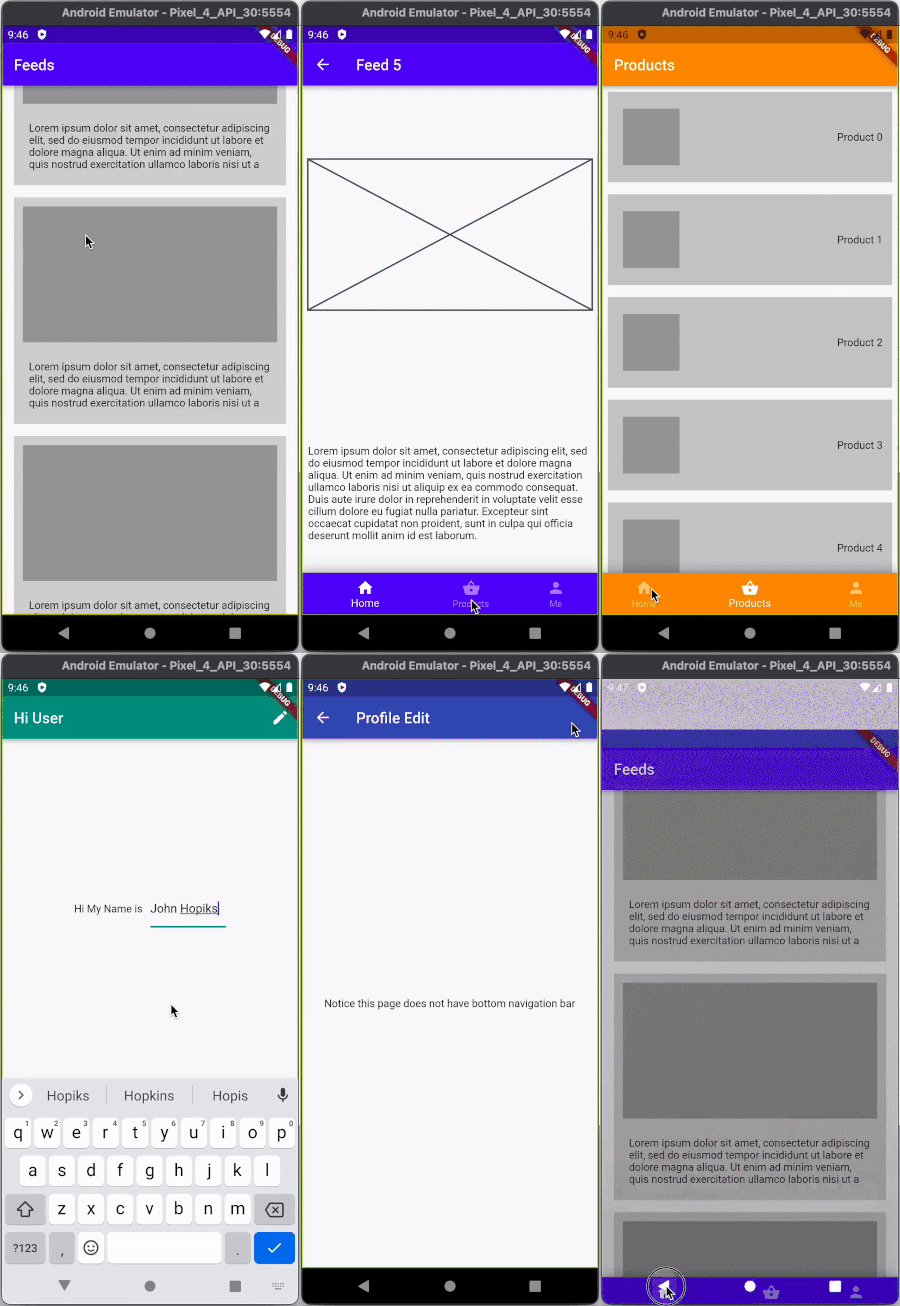
I feel it would be cleaner (and easier to animate) if we could switch pages by using a Navigator.

Are there any examples of this?

7 Answers

Output:

enter image description here

Code:

int _index = 0;

@override
Widget build(BuildContext context) {
  Widget child;
  switch (_index) {
    case 0:
      child = FlutterLogo();
      break;
    case 1:
      child = FlutterLogo(colors: Colors.orange);
      break;
    case 2:
      child = FlutterLogo(colors: Colors.red);
      break;
  }

  return Scaffold(
    body: SizedBox.expand(child: child),
    bottomNavigationBar: BottomNavigationBar(
      onTap: (newIndex) => setState(() => _index = newIndex),
      currentIndex: _index,
      items: [
        BottomNavigationBarItem(icon: Icon(Icons.looks_one), title: Text("Blue")),
        BottomNavigationBarItem(icon: Icon(Icons.looks_two), title: Text("Orange")),
        BottomNavigationBarItem(icon: Icon(Icons.looks_3), title: Text("Red")),
      ],
    ),
  );
}

Here is an example how you can use Navigator with BottomNavigationBar to navigate different screen.

import 'package:flutter/material.dart';

void main() => runApp(MyApp());

class MyApp extends StatelessWidget {
  @override
  Widget build(BuildContext context) {
    return MaterialApp(
      title: 'Flutter Demo',
      theme: ThemeData(
        primarySwatch: Colors.blue,
      ),
      home: MyHomePage(title: 'Flutter Demo Home Page'),
    );
  }
}

class MyHomePage extends StatefulWidget {
  MyHomePage({Key key, this.title}) : super(key: key);
  final String title;

  @override
  _MyHomePageState createState() => _MyHomePageState();
}

class _MyHomePageState extends State<MyHomePage> {
  // This navigator state will be used to navigate different pages
  final GlobalKey<NavigatorState> _navigatorKey = GlobalKey<NavigatorState>();
  int _currentTabIndex = 0;

  @override
  Widget build(BuildContext context) {
    return SafeArea(
      child: Scaffold(
        body: Navigator(key: _navigatorKey, onGenerateRoute: generateRoute),
        bottomNavigationBar: _bottomNavigationBar(),
      ),
    );
  }

  Widget _bottomNavigationBar() {
    return BottomNavigationBar(
      type: BottomNavigationBarType.fixed,
      items: [
        BottomNavigationBarItem(
          icon: Icon(Icons.home),
          title: Text("Home"),
        ),
        BottomNavigationBarItem(
            icon: Icon(Icons.account_circle), title: Text("Account")),
        BottomNavigationBarItem(
          icon: Icon(Icons.settings),
          title: Text("Settings"),
        )
      ],
      onTap: _onTap,
      currentIndex: _currentTabIndex,
    );
  }

  _onTap(int tabIndex) {
    switch (tabIndex) {
      case 0:
        _navigatorKey.currentState.pushReplacementNamed("Home");
        break;
      case 1:
        _navigatorKey.currentState.pushReplacementNamed("Account");
        break;
      case 2:
        _navigatorKey.currentState.pushReplacementNamed("Settings");
        break;
    }
    setState(() {
      _currentTabIndex = tabIndex;
    });
  }

  Route<dynamic> generateRoute(RouteSettings settings) {
    switch (settings.name) {
      case "Account":
        return MaterialPageRoute(builder: (context) => Container(color: Colors.blue,child: Center(child: Text("Account"))));
      case "Settings":
        return MaterialPageRoute(builder: (context) => Container(color: Colors.green,child: Center(child: Text("Settings"))));
      default:
        return MaterialPageRoute(builder: (context) => Container(color: Colors.white,child: Center(child: Text("Home"))));
    }
  }
}
Navigator.of(context).pushNamedAndRemoveUntil(
                routes[value], (route) => true);

I had to use true to enable back button.

NB: I was using Navigator.pushNamed() for navigation.

This is the code I am using in my project. If you try to avoid page viewer so you can try this

import 'package:flutter/material.dart';

class Dashboard extends StatefulWidget {
  const Dashboard({Key? key}) : super(key: key);

  @override
  State<Dashboard> createState() => _DashboardState();
}

class _DashboardState extends State<Dashboard> {
  int _selectedIndex = 0;

  void _onItemTapped(int index) {
    setState(() {
      _selectedIndex = index;
    });
  }

  @override
  Widget build(BuildContext context) {
    return Scaffold(
      appBar: AppBar(
        title: const Text('Sample'),
      ),
      body: SingleChildScrollView(
       child: Column(
        children: [
          if (_selectedIndex == 0)
            // you can call custom widget here
            Column(
              children: const [
                Text("0"),
              ],
            )
          else if (_selectedIndex == 1)
             Column(
                children: const [
                  Text("1"),
                ],                 
            )
          else             
               Column(
                children: const [
                  Text("2"),
                ],               
            ),
        ],
      ),
     ),

      bottomNavigationBar: BottomNavigationBar(
        items: const <BottomNavigationBarItem>[
          BottomNavigationBarItem(
            icon: Icon(Icons.headphones),
            label: 'Home',
          ),
          BottomNavigationBarItem(
            icon: Icon(Icons.business),
            label: 'Business',
          ),
          BottomNavigationBarItem(
            icon: Icon(Icons.school),
            label: 'School',
          ),              
        ],
        currentIndex: _selectedIndex,
        selectedItemColor: Colors.amber[800],
        unselectedItemColor: Colors.grey,
        onTap: _onItemTapped,
      ),
    );
  }
}

Happy Coding

Related