I want to store featured products like staff picks, featured products of each category in my system that will hold at most 10 documents. My priority is read performance over write performance but I also want to have an efficient storage system and I have three ways to do it in my mind:
Create a
booleanfield such asis_bestseller,is_staffpickinProductsschema and query for it.I think this is the simplest way to do it but I think it would require an additional query to check if the at most 10 limit has been reached.
Create a
FeaturedProductsschema that holds references of product ids.This is useful in the sense that if I want to add some additional info such as a featured product within the featured products then I could simply add a field in this schema. It would also be easy to check the at most 10 documents limit. I think this makes it more scalable but at the cost of performance?
Create a
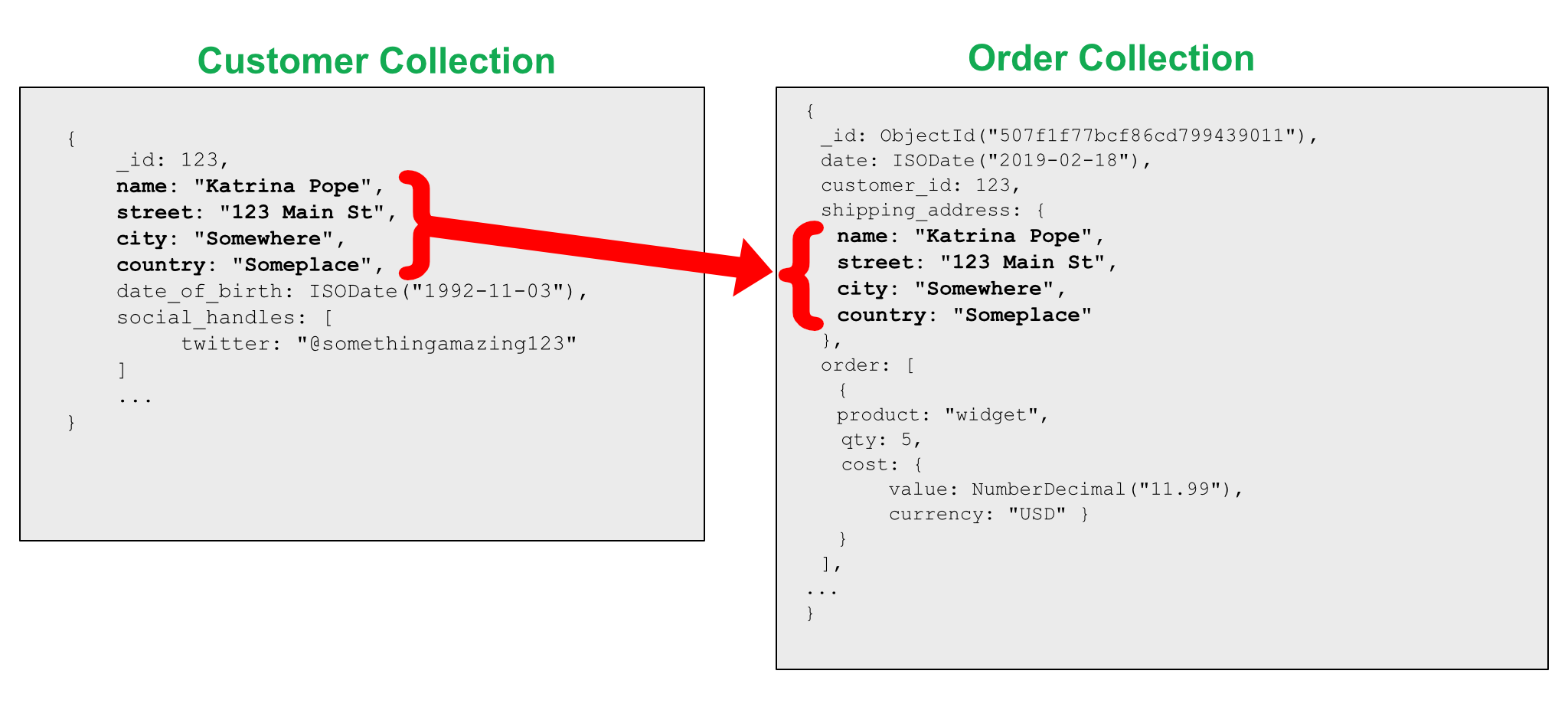
FeaturedProductsschema that will hold all the needed data.I think performance wise this would be the best but I'm not sure if this is an efficient way to store data. Basically, I would just duplicate the data of a product and store it. Obviously, if I have to update product details then I have to update it in two places now but the read-to-write ratio heavily favors reading so I am willing to do this even if it's gonna require more logic regarding updating and deleting products. Also it would be easy to set at most 10 documents limit.
I tried to look for some examples regarding featured products but couldn't find anything useful. I am not sure what the best practice is here and which way to go about so any kind of help is appreciated.